
Helping children learn the alphabet does not have to feel complicated or overwhelming. In fact, many of the most effective methods are simple, enjoyable, and easy to include in everyday routines. When learning feels playful and connected to meaningful experiences, children build confidence much faster. Parents, grandparents, and teachers can all support early literacy in gentle ways that turn letters into familiar friends. Here are eight practical strategies to help children learn the alphabet, each designed to nurture curiosity and spark joyful learning.
One. Read alphabet books together
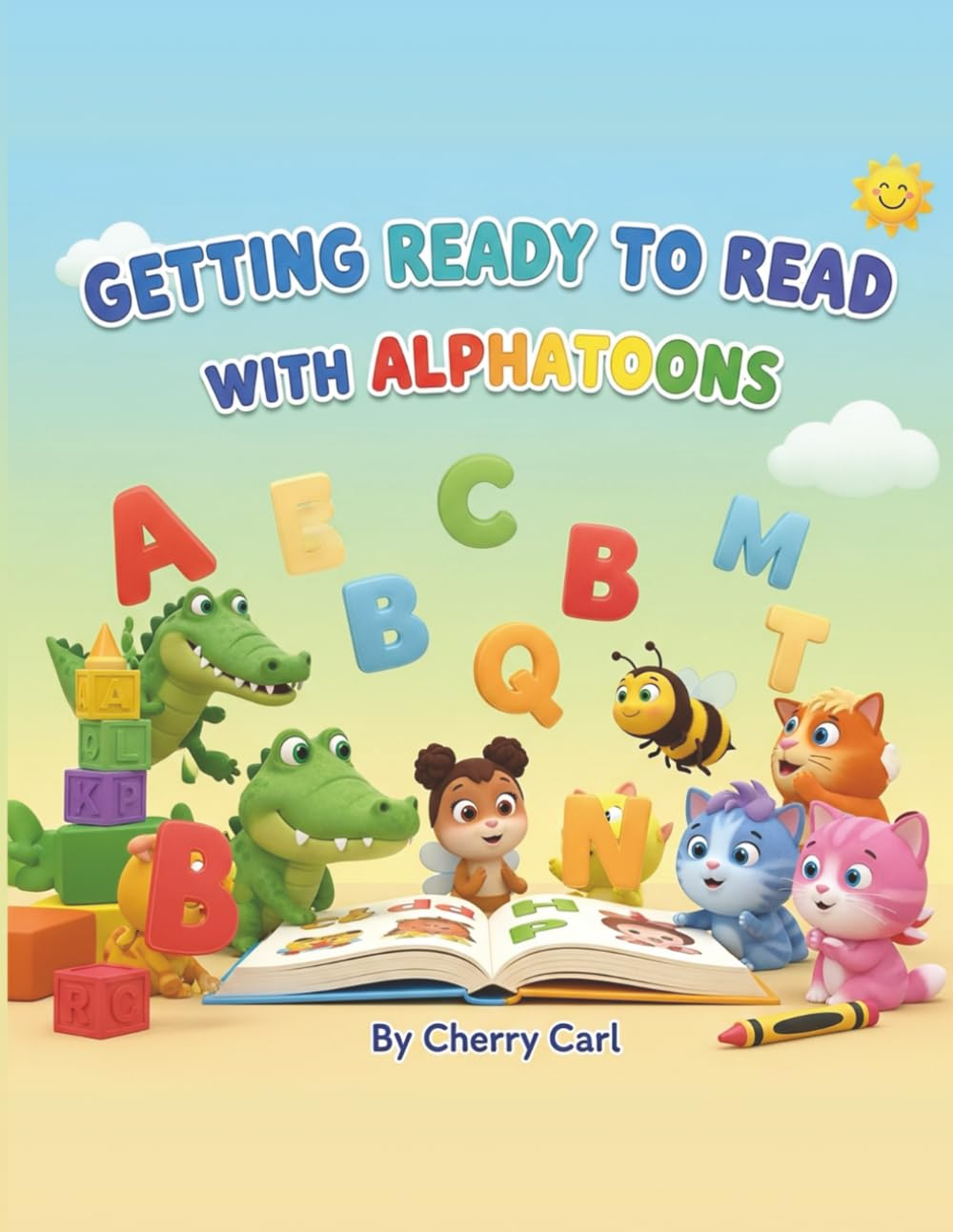
Alphabet books introduce letters in a friendly and predictable format. Children become familiar with the shapes, names, and sounds of each letter. A book like Getting Ready to Read with AlphaToons adds personality by turning letters into characters with faces and stories. When children meet these lively alphabet friends, letters become memorable and exciting instead of overwhelming.
Two. Use repetition throughout the day
Repetition is essential for early learning. Point out letters on cereal boxes, street signs, clothing labels, or menus. Say the name of the letter out loud. Invite your child to say it with you. Small repeated exposure helps letters stick.
Three. Sing the alphabet song in different ways
Songs are powerful learning tools because they strengthen memory and rhythm. Try singing the alphabet slowly, quickly, in a whisper, or in a playful voice. Children enjoy variety, and each version strengthens recall.
Four. Play with alphabet toys and magnets
Children love hands-on activities. Alphabet puzzles, blocks, stickers, and magnets allow them to touch and move letters. This physical interaction makes learning concrete rather than abstract. Ask your child to find the letter that matches the sound you say or to build their name with the magnets on the refrigerator.
Five. Use writing trays and finger tracing
Place salt, sand, or flour in a shallow tray and invite your child to write letters using their finger. You can also guide their hand along large printed letters. This encourages the development of early writing skills and builds muscle memory for letter formation.
Six. Create letter of the day routines
Choose one letter to focus on each day. Read a page from an alphabet book, find objects around the house that start with that letter, and practice drawing the shape together. AlphaToons works especially well for this routine because each letter has a playful character that helps children remember its shape and sound.
Seven. Use movement activities to reinforce learning
Many children learn best when their bodies are active. Have them jump when they hear a target letter, form letter shapes with their arms, or hop to different alphabet cards placed around the room. Movement builds excitement and reinforces retention.
Eight. Read Getting Ready to Read with AlphaToons regularly
Getting Ready to Read with Alphatoons is an engaging early learning workbook that turns letters into memorable characters, helping children connect sounds, shapes, and stories. Reading it together brings consistency to alphabet learning and keeps children motivated. Inside, children will explore the alphabet with fun puzzles, coloring, matching games, and word-building tasks that encourage phonics awareness and early literacy skills. Perfect for parents, teachers, and homeschoolers, Getting Ready to Read with Alphatoons makes learning to read both enjoyable and effective.
With its colorful illustrations, easy-to-follow directions, and activity-based approach, this book is an essential resource for preparing kids to become confident readers from Pre-K through early elementary.
Head to Amazon to purchase your copy: https://www.amazon.com/dp/1969368519.