
For many children, childhood memories are often tied to familiar neighborhoods, predictable seasons, and well-established routines. But for children of military families, the world is much wider and far more unpredictable. Growing up as a Navy child in the 1950s meant adapting to new places, cultures, and ways of living. In Growing Up on Guam, this experience is captured with warmth and vivid detail, offering readers a rare glimpse into island life during a unique moment in history.
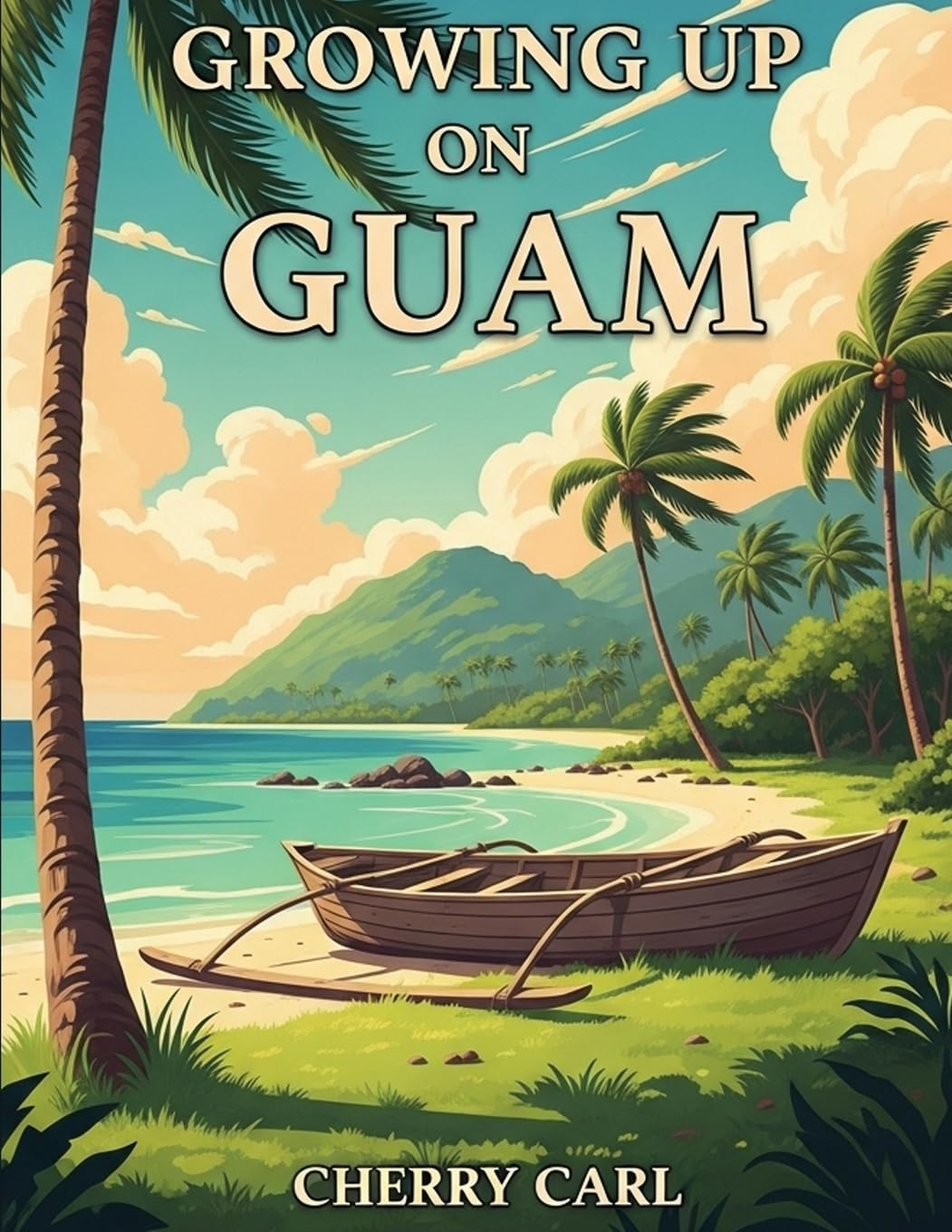
Both beauty and challenge shaped life on Guam in the early nineteen fifties. The island had recently emerged from the devastation of World War Two, and evidence of that history was still scattered across the landscape. Abandoned pillboxes, remnants of bombings, and stories from wartime survivors were part of everyday life. For a Navy child arriving from the mainland, these sights were unfamiliar and sometimes startling. Yet they also offered a sense of awe and curiosity about the world beyond home.
The island’s natural environment played a significant role in shaping the childhood experiences of its residents. Guam’s tropical climate, lush jungles, and sparkling beaches created the perfect setting for exploration. A simple walk home from school might pass giant snails, swaying palm trees, geckos darting along walls, or stunning sunsets that painted the sky in brilliant colors. The sensory richness of the island became part of daily life for military children who had never seen anything like it.
Military families lived in tight-knit communities where support and sharing were essential. Power outages, storms, and supply shortages were common. Families relied on each other for help and companionship. Children formed friendships quickly because they understood that moves could happen at any time. This created bonds built on understanding, resilience, and shared adventure. Growing Up on Guam beautifully portrays this sense of community, reminding readers that even far from home, families can create deep connections.
School life was also different for Navy children stationed on the island of Guam. Safety protocols were in place because of unexploded wartime materials still scattered in nearby jungles. Students sometimes traveled long distances on crowded buses. Despite these challenges, the school provided structure, learning opportunities, and friendships. Many military children also gained exposure to different cultures for the first time, broadening their understanding of the world.
The most defining aspect of island life was the constant sense of movement. Navy children learned early that homes, neighbors, and daily routines could change quickly. While this lifestyle demanded flexibility, it also nurtured independence. Children develop the ability to adapt, explore unfamiliar places, and appreciate the diversity of the world.
Looking back on this time, Growing Up on Guam offers more than a memoir. It becomes a window into a moment in military and island history, showing how a child’s resilience can bloom in the most unexpected environments. The book captures the innocence, adventure, and challenges of a Navy child’s life with striking authenticity.
If you want to experience this remarkable childhood journey for yourself, you may enjoy reading “Growing Up on Guam,” a heartfelt look at life on a Pacific island during the 1950s.
Head to Amazon to purchase your copy: https://www.amazon.com/dp/1968615253/.